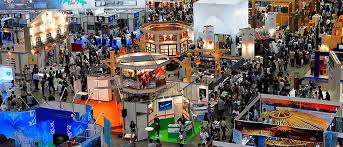
Have you ever heard the term international trade fair and wondered what it really means? An international trade fair is a huge event where businesses from around the world come together to show their products, meet new customers, and make deals. It’s like a giant marketplace, but also like a school, a festival, and a business meeting—all rolled into one! These events are hosted in big cities and bring together companies, buyers, students, and families. Let’s dive in and explore what these exciting global events are all about.
Why Do Countries Host International Trade Fairs?
Countries host international trade fairs for many important reasons. First, they help businesses grow. When companies from different parts of the world meet, they can discover new suppliers, buyers, and partners. This leads to new deals, more jobs, and stronger economies. Governments love hosting trade fairs because it brings attention to their industries and attracts foreign investment. Think of it like showing off your best toys or gadgets to make new friends—except here, it’s about building strong business relationships.
Second, international trade fairs help promote a country’s culture and innovation. Countries like the United States, Germany, China, and the UAE organize these fairs to highlight their strengths in technology, agriculture, manufacturing, and more. By doing this, they increase tourism and create business opportunities for local entrepreneurs and startups. It’s a win-win situation for everyone involved.
What Happens at an International Trade Fair?
An international trade fair is a lively place filled with colors, creativity, and people from all around the globe. At the fair, companies set up booths or exhibits to show their products or services. You might see new types of electric cars, smart farming equipment, fashion trends, or even tasty foods from different countries. Some trade fairs focus on specific industries—like tech, agriculture, or energy—while others are open to many different fields.
There are also live demonstrations, where businesses show how their products work. Some booths offer samples, free trials, or interactive games. In addition to business talks and product displays, many fairs hold workshops, panel discussions, and training sessions. It’s a great place for professionals to learn about the latest trends and for students to explore new careers.
Who Can Join These Fairs?
Trade fairs are not just for big companies. People from all walks of life can attend. Businesses come to sell and promote their products, buyers come to find new suppliers, and students come to learn and get inspired. Tourists also attend for the fun and cultural exchange.

Small Businesses at Trade Fairs
Small businesses get a huge advantage by attending trade fairs. These events allow them to compete with big brands by showcasing their unique products to international buyers. Many trade fairs offer special zones or startup corners for small and medium-sized enterprises (SMEs). This helps local companies find global partners and grow faster than they would through regular marketing.
Big Brands from Around the World
Large companies use trade fairs to launch new products and expand their global reach. You’ll often see big names in technology, automotive, fashion, and electronics making huge announcements at these events. Their presence also attracts more visitors and media attention, which is great for everyone attending the fair.
Kids and Families Learning Together
Some trade fairs are open to the public, especially on weekends. Families can enjoy interactive booths, science shows, food tastings, and cultural performances. It becomes a fun and educational outing. Kids get to see real-world examples of how things are made, how business works, and how different cultures connect through trade.
Top International Trade Fairs in the USA
The United States hosts some of the world’s most famous trade fairs, drawing thousands of international visitors every year. Here are a few examples:
- CES (Consumer Electronics Show) in Las Vegas is the biggest tech fair in the world. Companies from all over showcase the latest gadgets, from smart homes to robots.
- NY NOW in New York focuses on gifts, home decor, and lifestyle products. It’s a favorite for boutique shop owners and designers.
- The National Restaurant Association Show in Chicago gathers food industry leaders. It’s where restaurants find new equipment, food trends, and ingredients.
- IMTS (International Manufacturing Technology Show) in Chicago is the place to see robots, machines, and futuristic factory tech.
These trade shows attract global attention and help U.S. businesses connect with buyers from Asia, Europe, Africa, and Latin America.
How Do Trade Fairs Help the Economy?
International trade fairs bring big economic benefits. They attract business visitors who spend money on hotels, food, transportation, and shopping. This boosts local businesses and tourism. But that’s just the beginning.
The real power of trade fairs lies in the deals made during the event. Companies often sign contracts worth millions of dollars. These deals lead to job creation, new investments, and better international relations. Countries that host successful trade fairs are seen as global business hubs, encouraging even more foreign companies to open offices or factories there.
Trade fairs also help small businesses grow. A small company in Texas can meet a buyer from Japan or Germany at a trade fair and begin exporting its products globally. This kind of global exposure is hard to get through online marketing alone.
What Should You Bring to a Trade Fair?
Planning to visit or exhibit at a trade fair? You’ll need to be well-prepared. Here’s what you should bring:

Checklist for Visitors
- Comfortable shoes (you’ll walk a lot!)
- A notepad or digital device for taking notes
- Business cards or contact details
- A tote bag for brochures and samples
- Snacks and a water bottle
- A map of the venue (many fairs are huge)
Must-Haves for Exhibitors
- A well-designed booth with eye-catching graphics
- Product samples or demos
- Flyers, brochures, and catalogs
- Business cards or QR codes
- Presentation materials (videos, slideshows)
- Staff who can explain products clearly
- A lead-capturing tool to collect visitor info
Tips for First-Timers
- Plan your visit in advance: check the schedule and booth list
- Register online to avoid long lines
- Start with key areas you’re most interested in
- Don’t be shy—ask questions and network
- Take breaks to avoid fatigue
Can Kids Learn from Trade Fairs Too?
Yes, absolutely! Many international trade fairs have special activities for kids. These can include hands-on science experiments, creative art stations, or simple engineering challenges. Trade fairs can help children understand global cultures, the importance of innovation, and how businesses work. They also learn teamwork and communication by participating in fun group activities.
Kids can meet inventors, try new foods from other countries, and watch product demos that make learning exciting. Even if they don’t understand business yet, they begin to see how the world is connected through trade and ideas.
The Bottom Line
International trade fairs are much more than business meetings. They are exciting global events that bring people together from all walks of life. From small businesses to big brands, and from curious students to expert buyers, everyone has something to gain. These fairs open doors to new opportunities, ideas, and friendships.
Whether you’re a business owner looking to grow, a student exploring future careers, or a family looking for a fun and educational trip, trade fairs offer something valuable. They help economies thrive, inspire innovation, and connect our world in powerful ways. So next time you hear about an international trade fair, remember—it’s not just an event; it’s a gateway to the future.